


Carrier audits are a routine part of how UPS, FedEx, and other carriers manage revenue accuracy. When the dimensions or weight you declared at ship time don’t match what the carrier measures at their facility, they issue an adjustment. For operations with high outbound volume, those adjustments can represent a material line item. Here is how audits work and what you can do to reduce your exposure.
How carrier audits work
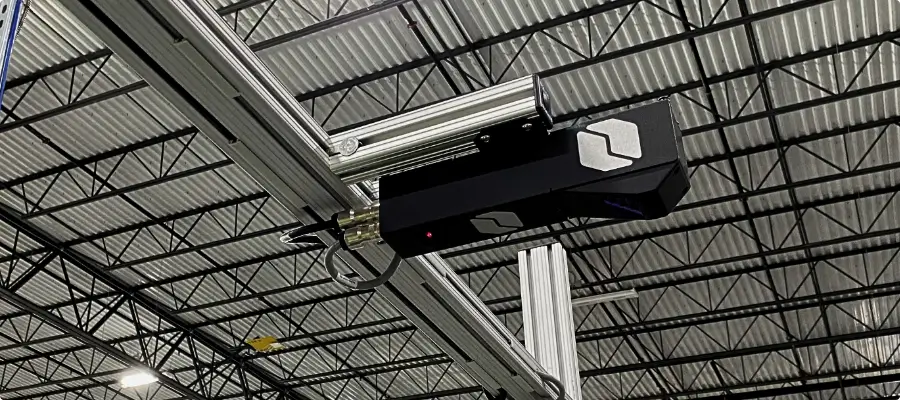
Carriers use automated measurement equipment at sorting facilities and delivery hubs to capture the dimensions and weight of packages as they move through the network. This measurement happens in motion, at high speed, and covers a sample of packages, or in some cases, all packages moving through a specific facility.
When the carrier’s measurement produces a higher billable weight than what was declared, the carrier issues a billing adjustment. This adjustment typically appears on your invoice 30 to 60 days after the shipment was delivered, by which point the package is long gone and the original measurement may be difficult to reconstruct.
What gets measured
Carriers measure the same three things you do: length, width, and height. They also weigh the package. Their equipment is calibrated and, for commercial billing applications, certified to measurement standards.
The most common sources of discrepancy are: packages with irregular shapes where the maximum dimensions are larger than the base dimensions; packages with overhanging labels, tape, or closures that add to the measured dimension; and packages measured from product database records rather than from the actual package at ship time.
What carrier audits cost operations
Each individual adjustment is typically small, but the cumulative effect depends on volume and measurement accuracy. For operations shipping thousands of packages per day with inconsistent measurement practices, adjustments can add up to a significant percentage of total carrier spend over the course of a year.
There is also an administrative cost. Researching and disputing adjustments requires pulling shipment records, locating measurement documentation, and submitting dispute evidence through the carrier’s process, which is time-consuming and has a low success rate without original measurement records.
How accurate measurement reduces audit exposure
The most direct way to reduce carrier audit exposure is to measure packages at the point of shipping and declare those measurements. When the declared dimensions reflect the actual package, the carrier’s measurement should confirm rather than contradict your declaration.
When disputes do arise, a measurement record from a calibrated, certified dimensioning system is the strongest evidence available. It documents the package as it was measured at ship time, with the timestamp and system identifier to support a dispute.
The automated warehouse shipping solution describes how measurement, labeling, and manifest work together to create a complete ship-time record. Cubiscan cubing software stores those records for retrieval when adjustments need to be investigated.
Practical steps before your next peak season
Pull your last three months of carrier invoices and identify the total value of billing adjustments. Categorize them by reason code, dimensional weight adjustments are typically labeled as address correction or weight/size correction in the carrier’s adjustment coding. If dimensional or weight adjustments are a significant portion, that is a measurable business case for investment in accurate measurement at ship time. Contact Cubiscan to discuss measurement options for your outbound workflow.
Frequently asked questions
| How does a carrier know my declared dimensions are wrong? Carriers use automated in-motion dimensioning equipment at sorting facilities and delivery hubs to measure packages as they move through the network. When the carrier’s measurement produces a higher billable weight than the declared weight, they issue a post-shipment billing adjustment. This equipment is calibrated and operates at high throughput across millions of packages. |
| How long after shipment do carrier billing adjustments appear? Carrier billing adjustments typically appear on invoices 30 to 60 days after the shipment was delivered, though some carriers process adjustments more quickly. This delay means the package in question is no longer accessible for reference, which makes it difficult to dispute an adjustment without original measurement documentation. |
| Can I dispute a carrier billing adjustment? Yes. Carrier billing adjustments can be disputed through the carrier’s claims or billing dispute process. The most effective disputes are supported by documentation of the original measurement: a record from a calibrated dimensioning system showing the declared dimensions, the weight, and the ship timestamp. Without that documentation, disputes are difficult to win. |
| What is the most common cause of carrier billing adjustments? The most common causes are declared dimensions that don’t match the actual package. This happens when packages are measured from product database records rather than the actual package at ship time, when packages have irregular shapes that add to the maximum dimension, or when overhanging labels or tape extend beyond the package’s base dimensions. |


