


If you have ever shipped a large, lightweight box and been surprised by the invoice, dimensional weight pricing is the likely explanation. Most major carriers use it for parcel and some freight shipments, and understanding how it works is the first step toward managing its effect on your shipping spend.
What dimensional weight pricing is
Dimensional weight pricing (also called DIM weight pricing) is a billing method that charges based on the amount of space a package occupies, not just how heavy it is. Carriers introduced it because they fill truck and aircraft capacity based on volume, not just weight. A large, light package takes up space that a denser package would also occupy, so carriers charge for the space consumed.
In practice, the carrier calculates both the actual weight and the dimensional weight of every package. You are billed for whichever is higher.
How dimensional weight is calculated
The formula is straightforward: multiply length by width by height (in inches), then divide by the DIM factor. The result is the dimensional weight in pounds.
DIM weight = (L x W x H) / DIM factor
If that number is greater than the actual scale weight, you pay the dimensional weight rate. If the actual weight is greater, you pay the actual weight rate.
The DIM factor is set by the carrier and has generally trended downward over the past decade, meaning carriers are charging more aggressively for the same package sizes. For most domestic parcel shipments with UPS and FedEx, the current DIM factor is 139. USPS uses a different factor depending on service level. Carriers can and do change these numbers, so it’s worth confirming the current factor in your carrier agreement.
When dimensional weight applies
For domestic parcel shipments, dimensional weight generally applies to packages above a certain size threshold. Below that threshold, actual weight governs. The threshold varies by carrier and service, but for most ground and air services with the major carriers, it applies to all packages regardless of size.
For LTL freight, dimensional weight is less universal, but density-based pricing serves a similar function. A pallet with low density gets reclassified to a higher freight class, which increases the rate. The underlying logic is the same: carriers are pricing for space, not just weight.
Why the measurement matters
Dimensional weight pricing only works as intended (for the carrier and for the shipper) when the declared dimensions are accurate. When packages are measured manually or estimated from product database records, the declared dimensions are often wrong. Sometimes they are wrong in the shipper’s favor; more often, they are wrong in the carrier’s favor after a post-shipment adjustment.
A carrier audit remeasures packages after delivery and adjusts invoices when the declared dimensions don’t match the carrier’s measurement. Those adjustments can accumulate quickly for operations with high outbound volume and inconsistent measurement practices.
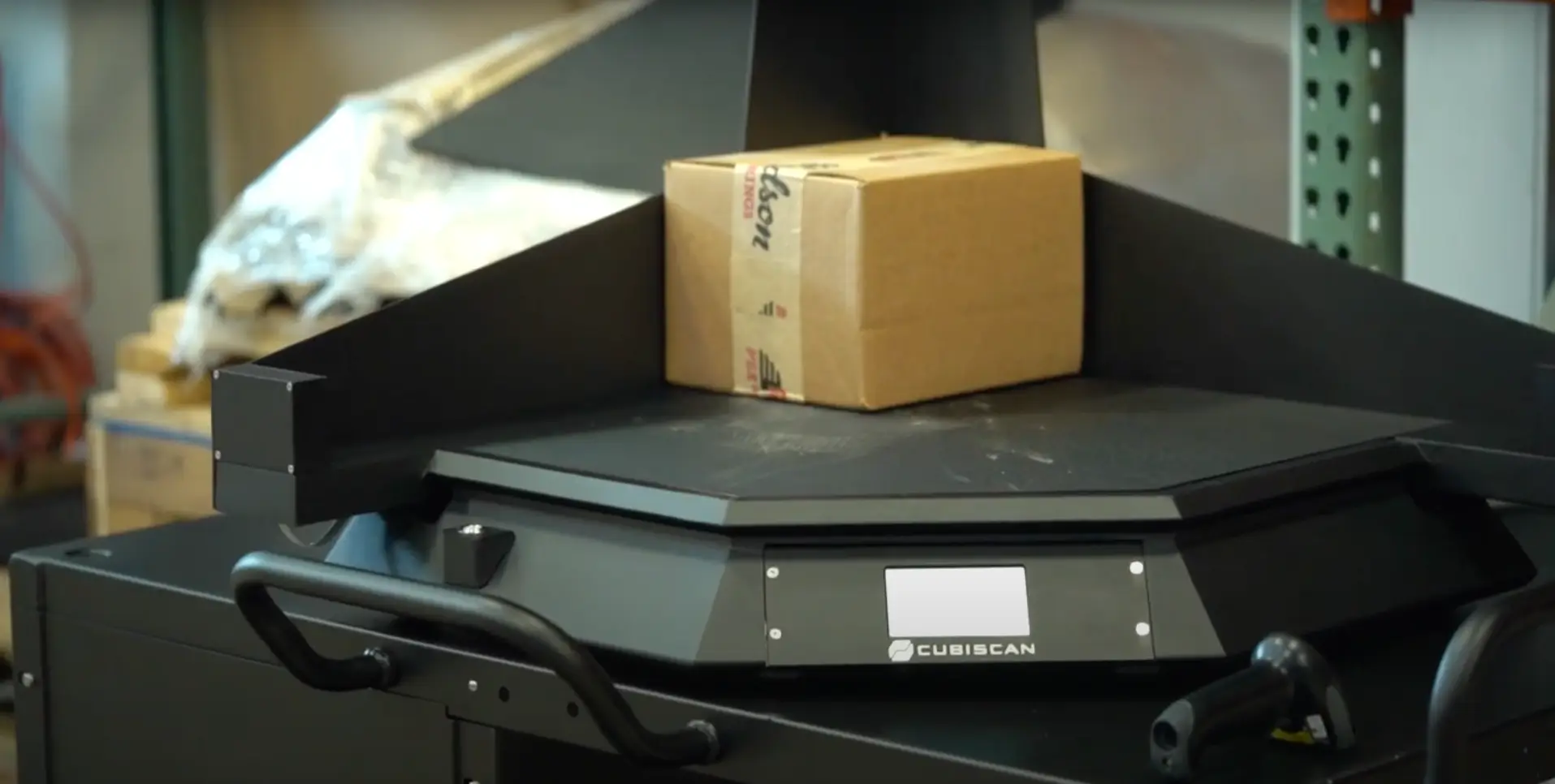
Accurate dimensional measurement at the point of packing or shipping creates a declaration that reflects the actual package. The dimensioning system overview describes the measurement options available for different workflows. Cubiscan cubing software stores those records so they’re available for reconciliation when an adjustment arrives.
Practical implications for warehouse managers
For a warehouse manager, the dimensional weight conversation is really a measurement accuracy conversation. If your outbound packages are being measured at ship time by a validated dimensioning system, your declared dimensions are defensible and your billing is predictable. If they’re being estimated or pulled from product records, you’re billing on data that may or may not match reality.
The gap between estimated and actual dimensions, multiplied across thousands of shipments, is where dimensional weight pricing creates the most unexpected costs. It is also where the most recoverable value sits for operations that invest in accurate measurement.
Getting started
If you want to understand how dimensional weight is currently affecting your operation, start by pulling a sample of carrier invoices and comparing the billed weight to the scale weight for packages where DIM weight was applied. The difference tells you how your declared dimensions compare to what the carrier is billing. To discuss measurement options for your outbound workflow, contact Cubiscan.
Frequently asked questions
| What is the difference between actual weight and dimensional weight? Actual weight is the scale weight of the package. Dimensional weight is calculated from the package’s physical dimensions (length x width x height divided by the carrier’s DIM factor). Carriers bill whichever is higher, which means a large lightweight package may be billed at its dimensional weight even if the scale weight is low. |
| What is the current DIM factor for UPS and FedEx? The current DIM factor for most domestic parcel services with UPS and FedEx is 139. This means you divide the cubic inches of the package by 139 to get the dimensional weight in pounds. Carriers can change their DIM factors, and the factor may differ for certain service levels or international shipments, so confirm the current factor in your carrier agreement. |
| How do carrier billing adjustments from dimensional weight happen? Carriers use their own measurement equipment at delivery or at sorting facilities to verify the dimensions of sampled packages. When the carrier’s measurement produces a higher dimensional weight than what was declared at ship time, the carrier issues a post-shipment billing adjustment for the difference. These adjustments can be disputed if the shipper has documentation of the original measurement. |
| Does dimensional weight apply to LTL freight shipments? Dimensional weight as a direct billing mechanism is primarily used for parcel shipments. For LTL freight, density-based pricing serves a similar function through freight class assignment. Low-density pallets are assigned to higher freight classes under the NMFC classification system, which results in higher rates per hundredweight. Accurate pallet dimensioning helps shippers declare the correct class. |


