


Freight cost is not just about the rate. It is about how efficiently the space on the truck is being used. A trailer that is 60% full when it could be 80% full is not a missed opportunity in isolation. It is a cost spread across every shipment in that lane.
Dimensional data is the foundation of better load density. When the warehouse knows the accurate size and weight of every item and pallet going onto the truck, planning decisions improve. The load matches what was planned, and what was planned matches what the carrier and shipper both expected.
Why load density is a freight cost lever
For LTL shippers, density affects freight class and rate calculation directly. Under the density-based NMFC classification changes that took effect in 2025, FreightWaves reported that carriers are aligning rates more closely with how much space freight actually occupies. That makes cube accuracy a cost driver in ways it was not before. For truckload and partial truckload shippers, density affects how many shipments fit on a trailer. Better density planning can reduce the number of moves needed for a given volume.
Where dimensional inaccuracy hurts load planning
Manual measurements introduce variation. A pallet measured on a rushed dock shift may have dimensions off by a few inches in each direction. That variance seems small until you are trying to configure a tight load plan.
Overstated dimensions cause the system to reserve more space than needed, leaving unused trailer capacity. Understated dimensions call for more freight than physically fits, creating a dock scramble at the worst possible time. Inconsistent pallet builds mean the measurement taken at onboarding no longer reflects reality, and the load plan drifts with the data. The pallet dimensioning systems page covers the options for outbound pallet measurement, and the pallet dimensioner for LTL shippers page describes the shipper-specific workflow.
How dimensioning data improves trailer utilization
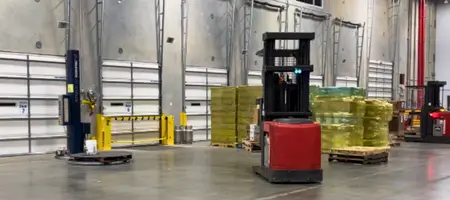
When pallet and package dimensions are accurate and accessible, the people building load plans have better inputs. Accurate cube calculations let the planner determine how many pallets will fit on a trailer with greater confidence. Correct height and stackability data allows vertical utilization to improve without creating damage risk. And when the load plan is built on accurate dimensions, surprises at the dock are far less common: freight fits where it was planned to fit, and drivers do not wait while the dock team reworks a trailer.
For facilities building the measurement discipline to support better load planning, the Cubiscan S9 pallet dimensioner and Cubiscan 1200 pallet dimensioner are commonly used at outbound dock lanes.
The connection between load density and carrier costs
Denser loads mean more freight per carrier move, which reduces cost per unit shipped. Accurate dimensions also reduce accessorial charges by ensuring freight matches its documentation, and they support better rate negotiations because the shipper can provide consistent cube and density records. For LTL freight, accurate dimensions reduce post-shipment reclassification risk. When declared density matches what the carrier measures, the invoice is more likely to match the quote.
What to measure and when
The most useful measurement points for load density planning are after pallet build and stretch wrap, which captures the actual shipped footprint; at new SKU or packaging introduction, which captures clean master data before it enters the live operation; and during receiving, when supplier packaging dimensions can be verified against what was ordered. Each point creates a record that improves a different part of the freight equation. Cubiscan cubing software keeps those records accessible and supports integration with downstream planning systems.
Build the data layer behind better loads
Denser freight does not happen by accident. It happens when the team building load plans has accurate, consistent dimensional data to work with. To explore pallet dimensioning options for outbound and LTL workflows, start with the pallet dimensioning systems overview. For LTL-specific configurations, see pallet dimensioner for LTL shippers. To discuss specific load planning applications, contact Cubiscan.
Frequently asked questions
| What is freight load density? Freight load density is the weight of a shipment divided by its volume. Higher density generally means more freight per trailer, which reduces the cost per unit shipped and improves rate outcomes under density-based freight classification. |
| How do pallet dimensioners help with LTL costs? Pallet dimensioners capture accurate dimensions and weight for each pallet, supporting accurate density and class calculations. When those calculations match what the carrier measures, LTL invoices are more predictable and easier to manage. |
| Can dimensioning data be used for both load planning and carrier billing? Yes. A single measurement record captured at ship time can support load planning, carrier declaration, invoice verification, and dispute documentation. Cubing software makes that record accessible across each use case. |
References
• FreightWaves. New LTL Freight Class Rules Take Effect on Saturday. https://www.freightwaves.com/news/new-ltl-freight-class-rules-take-effect-on-saturday


