


LTL Carriers run on data. When shipment dimensions and weight are off, everything downstream gets harder: rating, planning, billing, and customer conversations. That is why pallet scanners have become a practical tool for improving supply chain data without slowing down the dock.
For LTL carrier terminals, the goal is simple: capture consistent freight measurements during your reweigh or reclass stages as you receive freight from your customers, then move that data into the systems that teams already use.
Why LTL Carriers Care About Pallet Data More Than Ever
Even small measurement inconsistencies can create a mess across a network. A terminal might rate a shipment one way, another location might reweigh or reclass it, and customer service ends up juggling disputes. Good data reduces the back-and-forth.
DIM rules also keep getting stricter in parcel, and that mindset affects freight conversations too. FedEx has stated it rounds every fraction of an inch up to the next-higher inch or centimeter for DIM calculations, and UPS guidance similarly instructs shippers to round up package dimensions to whole numbers. While palletized freight is a different workflow than small-parcel, in the freight world, rounding up to the next whole inch has long been standard industry guidance, and this is enforced by automated dimension scanners on carrier docks.
What a Pallet Scanner Actually Captures
A modern pallet dimension scanner is built to capture freight measurements quickly and consistently using sensor and imaging technology, then pass the data into downstream systems. Cubiscan describes pallet dimension scanners as using advanced sensors and imaging, capturing measurements almost instantly, and sending the record to a WMS or related software.
For carrier operations, the most useful “scan record” typically includes:
- Length, width, and height (and the measurement increment used)
- Weight (Dimensioners integrate with separate floor scales to capture this data)
- Photo evidence tied to the measurement record, useful when questions come up later
- Timestamp and location/terminal ID
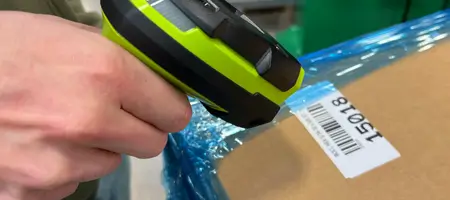
- Shipment identifiers (PRO, barcode, or internal reference)
That combination turns a measurement into something teams can trust and reuse.
Technology That Supports Employee Growth
Implementing a dimension scanner does more than optimize workflows. It equips employees with transferable skills that prepare them for future advancement. By learning how to operate, troubleshoot, and analyze data from warehouse technology, workers gain valuable experience that supports long-term career growth.
These systems help warehouses:
- Reduce employee turnover by creating more efficient, less physically demanding roles
- Encourage engagement by teaching in-demand tech skills
- Prepare for future automation without leaving current workers behind
Dimension scanners make onboarding easier, lower physical strain, and improve operational accuracy—all factors that contribute to happier, more loyal employees.
How Pallet Scanners Improve Supply Chain Data Quality
Pallet scanning improves data quality in a few big ways:
Fewer manual steps, fewer errors. Manual tape-and-scale processes vary by person, shift, and dock conditions. A scanner standardizes measurement capture and reduces rework.
Cleaner billing and fewer adjustments. When measurements are captured as a repeatable record, billing teams can rely on the same source of truth, and disputes can be handled with evidence instead of guesswork.
Better planning. Accurate dimensions help linehaul planning, load building, cube utilization, and dock scheduling. Even if the business case starts in billing, the payback usually shows up in operations too.
The Best Places For LTL Carriers to Scan Pallet Freight
Scanning everywhere is not the goal. Scanning at the right points is.
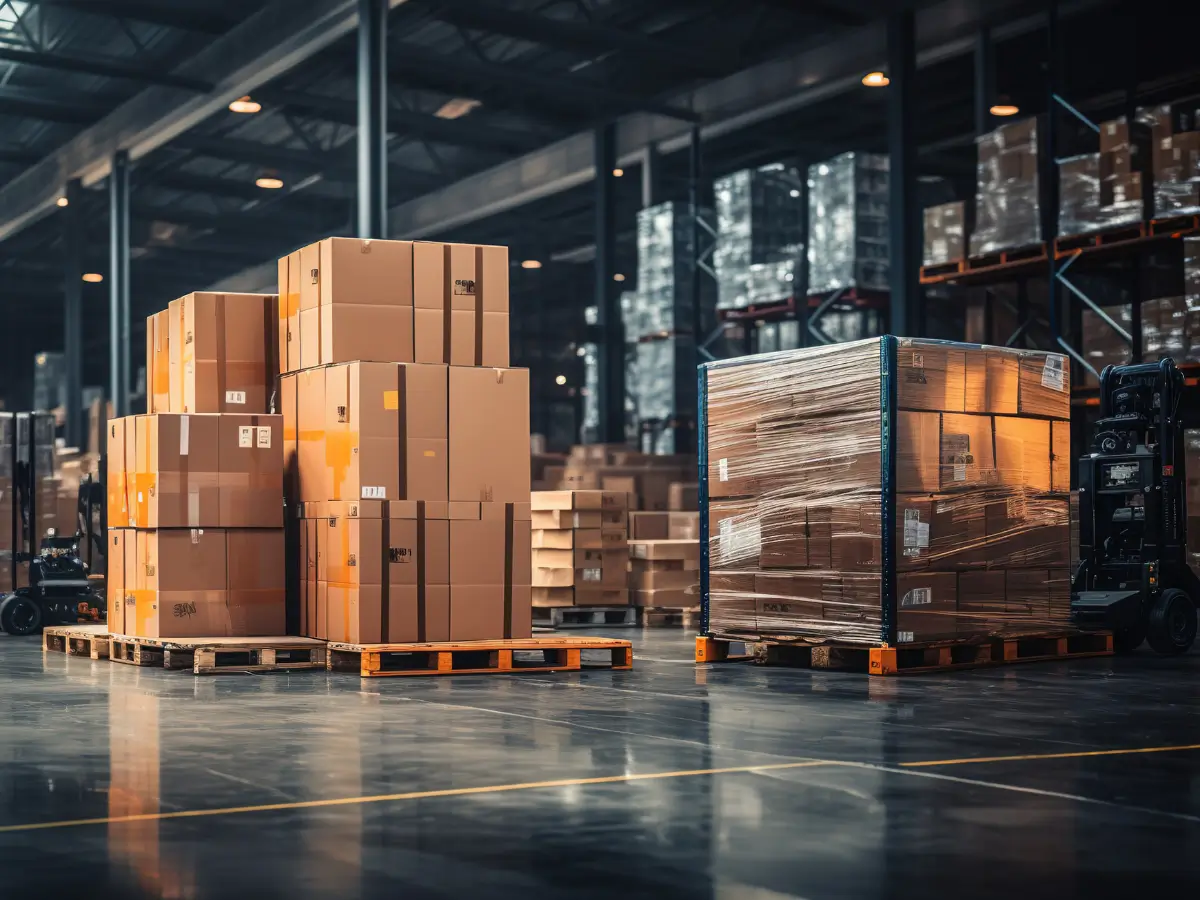
Inbound verification. Capture dims and weight as freight arrives, especially when freight condition or packaging quality varies. This is also a strong point for capturing photo proof.
Cross-dock and re-handling points. If freight is reworked, rewrapped, or consolidated, scan again. That creates a clean “before and after” record that matches what actually moved.
Outbound verification. Scan before freight leaves the terminal so the final record aligns with what was loaded. This is often where disputes are prevented because the record is current and terminal-specific.
FAQ
What is a pallet scanner in carrier operations?
A pallet scanner is a system that captures pallet dimensions and other shipment details, often using sensors and imaging, and then sends that data to software used for operations and billing.
Where should carriers scan pallet freight for the biggest impact?
Inbound, cross-dock re-handling points, and outbound verification are the most common high-value scan locations because they align measurement records with real handling events.
What data should be stored for billing and dispute workflows?
At minimum: dimensions, weight, timestamp, location, and shipment ID. Photo documentation is often helpful for resolving questions.
What freight types should a pallet scanning system handle?
Beyond uniform pallets, it should perform reliably on awkward freight and oversized items, since those are the shipments most likely to create measurement disagreement.
How do rounding rules connect to better measurement practices?
Both FedEx and UPS provide guidance that measurements are rounded up when determining package dimensions, which reinforces why consistent, accurate measurement capture matters across shipping workflows.


